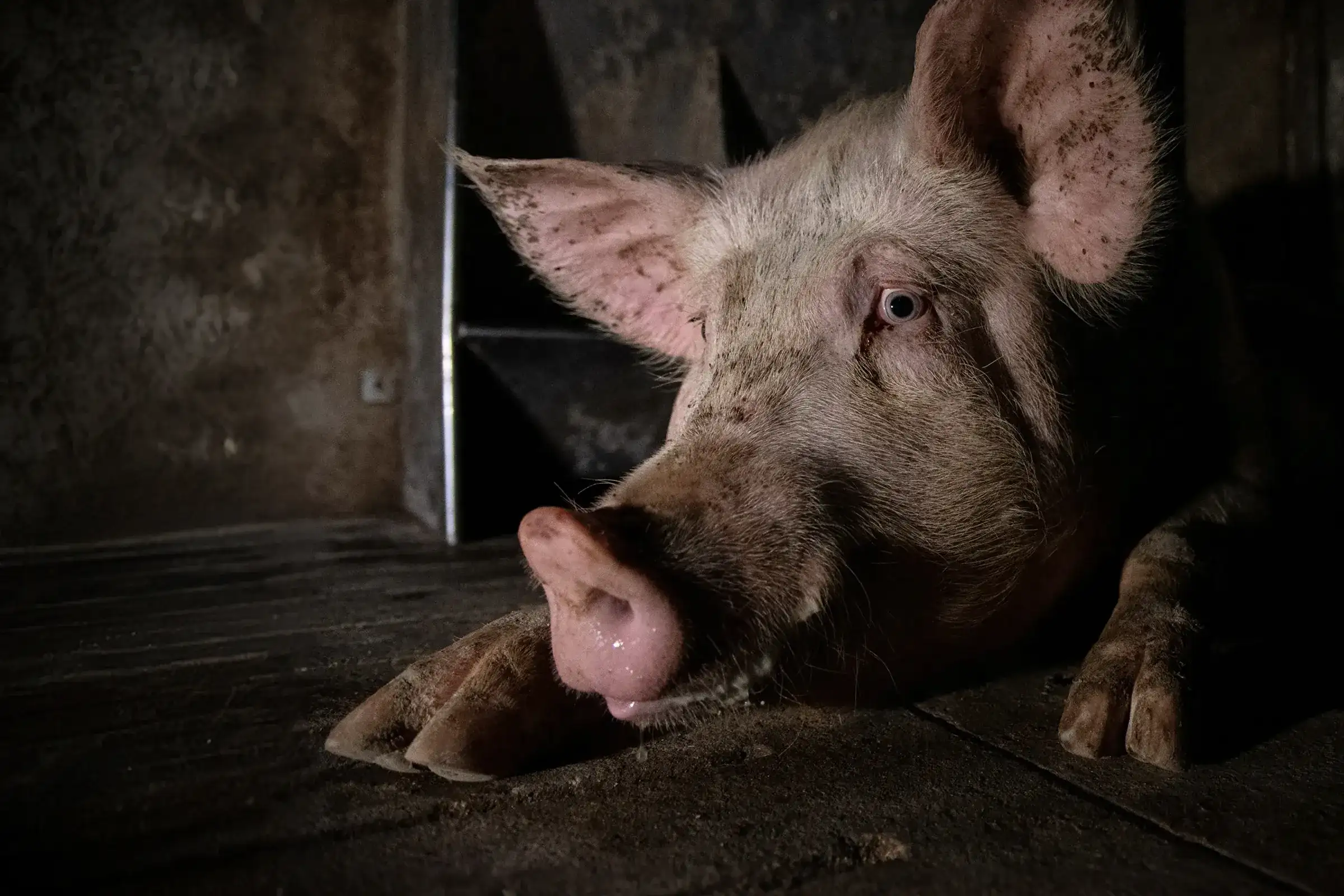
WTF is Factory Farming?
And why has it got us so mad?
What is factory farming?
Factory farming is the industrial system that treats animals as units of production – not as living beings – and is designed to maximise output and profit for Big Ag while everyone else pays the price.
Animals are bred to grow unnaturally fast, kept in extreme confinement, and processed through standardised, mechanised systems where speed and efficiency matter more than their welfare. The system drives deforestation, wildlife loss, water pollution, air pollution, and public health crises.
In the UK, 85% of farmed animals are factory farmed. Globally, the figure is 90%.
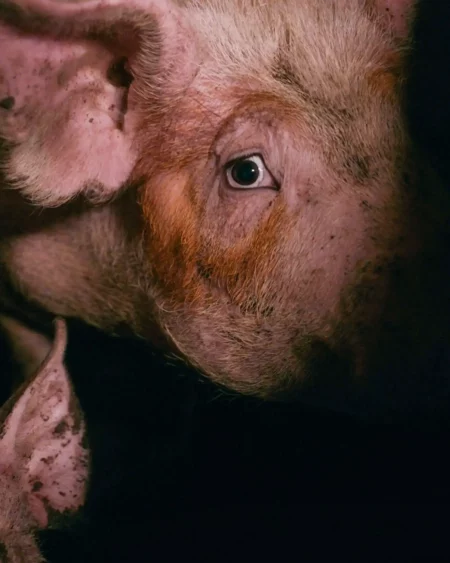
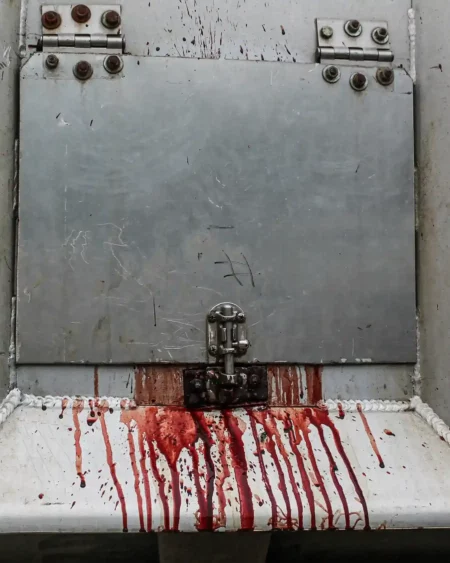
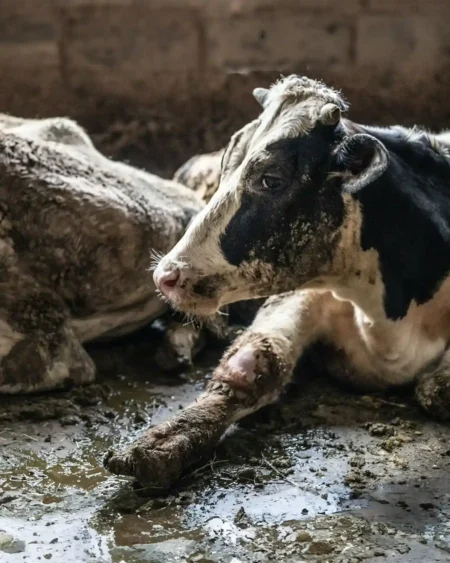
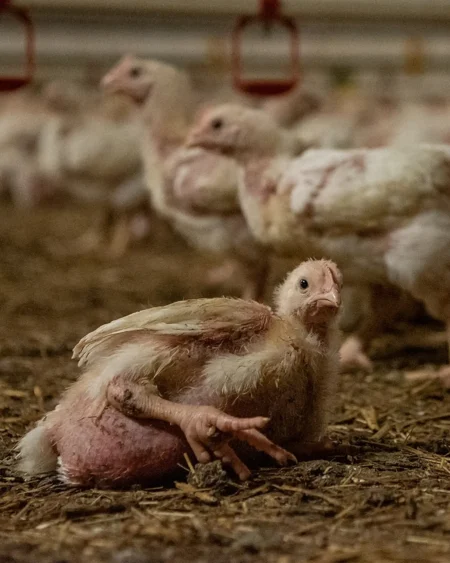
What Really Defines a Factory Farm
Factory farms are defined less by their size and more by how the animals are treated and processed.
Our definition isn’t radical: it closely mirrors the 2022 Swiss national referendum, which described factory farming as “technologised animal husbandry designed to maximise animal product output, where animal welfare is systematically violated.”

“If an animal product depends on confinement, industrial interventions, or mass throughput to be profitable, it’s factory farming - even if it has a nice label.”
Factory farming isn’t somewhere else. It’s here.
Factory farming isn’t something that happens “elsewhere.” It is part and parcel of the UK food system, and is woven into the landscape. You may not see it because it is concentrated in specific regions and hidden from public eyes behind sheds and fences. But it is all around us.
This is a system - and it has owners.
Just five companies – Cargill, Boparan, Sofina, JBS, and Cranswick – control the meat supply for virtually every major UK retailer. They bank their billions while continuing to harm animals, pollute our communities, and spread antibiotic-resistant superbugs which kill people. And they are given subsidies and grants – our money – to do it.
Why we’re pissed off
Factory farming isn’t a niche problem. It’s how most animal products are made and it…
Slingshot exists to expose what’s been hidden, challenge what’s been normalised, and make factory farming socially, politically, and culturally unacceptable.
This didn’t happen by accident
Over the past 80 years, UK farming has been radically transformed – not by tradition or necessity, but by deliberate policy and industrialisation. Mixed, small-scale family farms have been replaced by high-density, high-throughput systems designed to produce more meat, faster and they are mostly owned by billionaires, wealthy corporations, and hedge funds, many from overseas.
The Rise of Factory Farming
From fringe experiment to the system that raises almost every animal on earth.
How to Recognise Factory Farming
If you’re confused, that’s by design – and it’s not your fault. Big Ag thrives on feel-good language like “farm-fresh,” “high welfare,” and “British,” while keeping the filth, squalor, suffering, and pollution out of sight.
But you shouldn’t need to be Einstein to understand how your food was produced.
This guide translates factory farming systems into the claims, labels, and language you actually see on supermarket shelves.
The Takeaway
Most labels use marketing speak to fluff up their minimum compliance, rather than explain truthfully how animals lived and died. When packaging avoids clear, specific information about living conditions – like space to move, access to the outdoors, growth rates, or how animals are killed – it’s a strong signal the product came from a factory farming system.
But even then, it’s not always clear.
You might be confident you’re buying meat, dairy, fish, or eggs from a small-scale farm that cares about animal welfare, but that product may still depend on factory farming infrastructure somewhere along the way. For example:
If a system outsources the worst violence, it’s still part of the system.
Take Action
-
 Frankenchickens
Ban Frankenchickens in the UK
Tell the Secretary of State at Defra to ban factory-farmed and fast-growing chickens known as Frankenchickens.
-
 Frankenchickens
Ask Your MP to Take Action
Ask why Frankenchickens are legal, when it’s unlawful to farm animals that will suffer because of how they have been bred.
-
 Factory Farming
End Factory Farming by 2040
It's time to bring it all down. Tell the government to block new factory farms and ban factory farming by 2040.
-
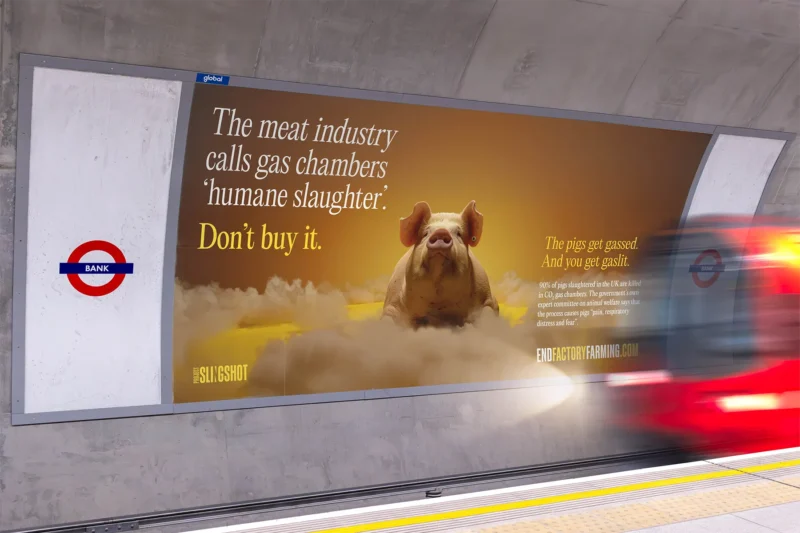
 Gas Chambers
Ban CO2 Gas Chambers for Pigs
Tell the Secretary of State at Defra to ban the use of CO2 gas chambers for pigs.
-
 Gas Chambers
Ask Your MP to Take Action
Ask why CO2 gas chambers are legal when the government’s Animal Welfare Committee recommends phasing them out?
-
 Gas Chambers
Tell Tesco to Drop CO2 Gas Chambers
Tell Tesco to stop selling meat from pigs killed in CO2 gas chambers, and commit to honest, transparent labelling.
-
 Gas Chambers
Tell McDonald’s to Drop Gas Chambers
Tell McDonalds to stop sourcing pork from pigs killed in CO2 gas chambers, and be transparent about slaughter methods.
-
 Donate
Power the Slingshot
Your monthly gift funds high-impact billboards, PR stunts, and campaigns that expose Big Ag and help us to bring down factory farming.