The playbook: how Big Ag adopted the tobacco industry’s tactics
How the dirtiest industries thrive by using the tried-and-tested tactics devised by the tobacco industry.
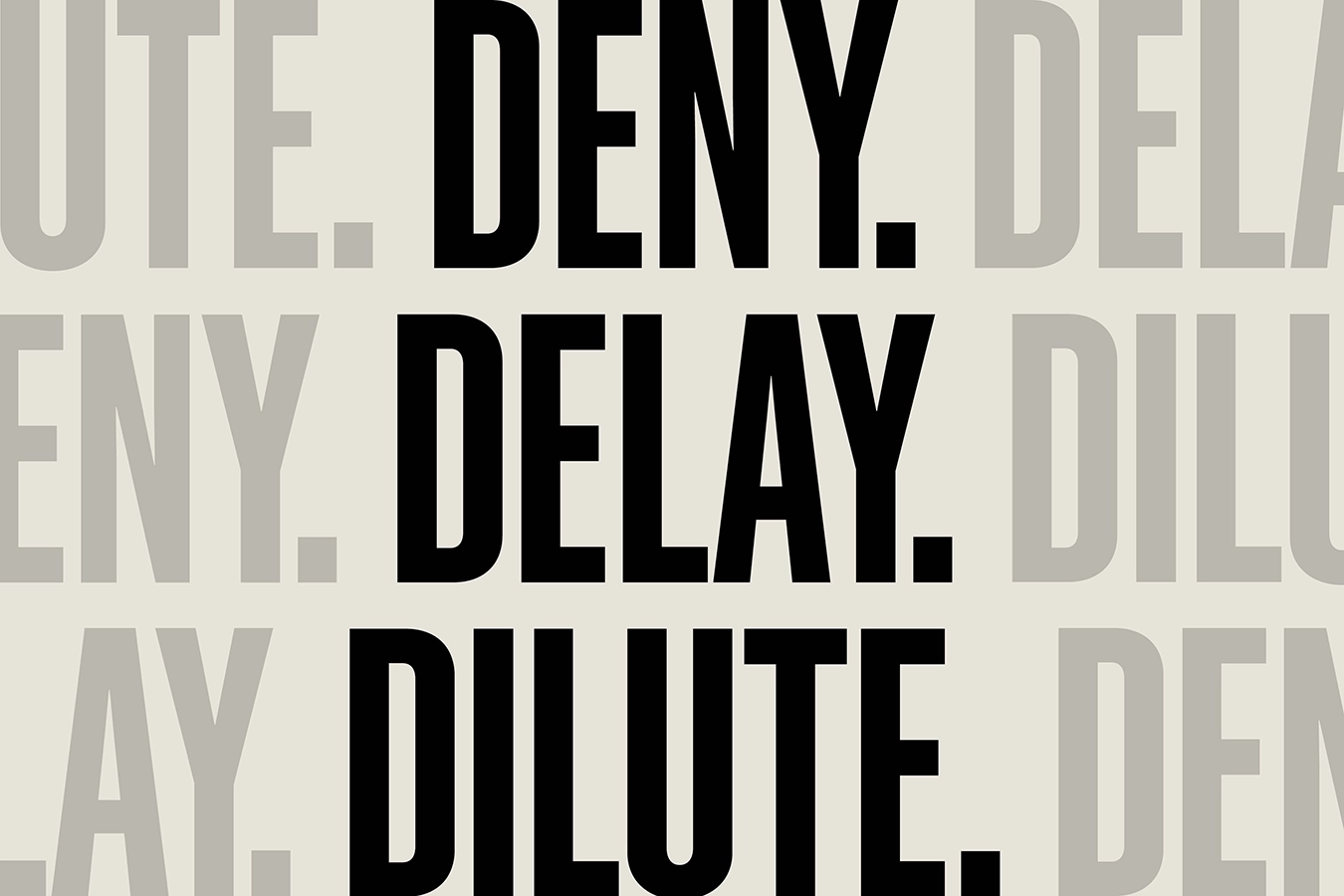
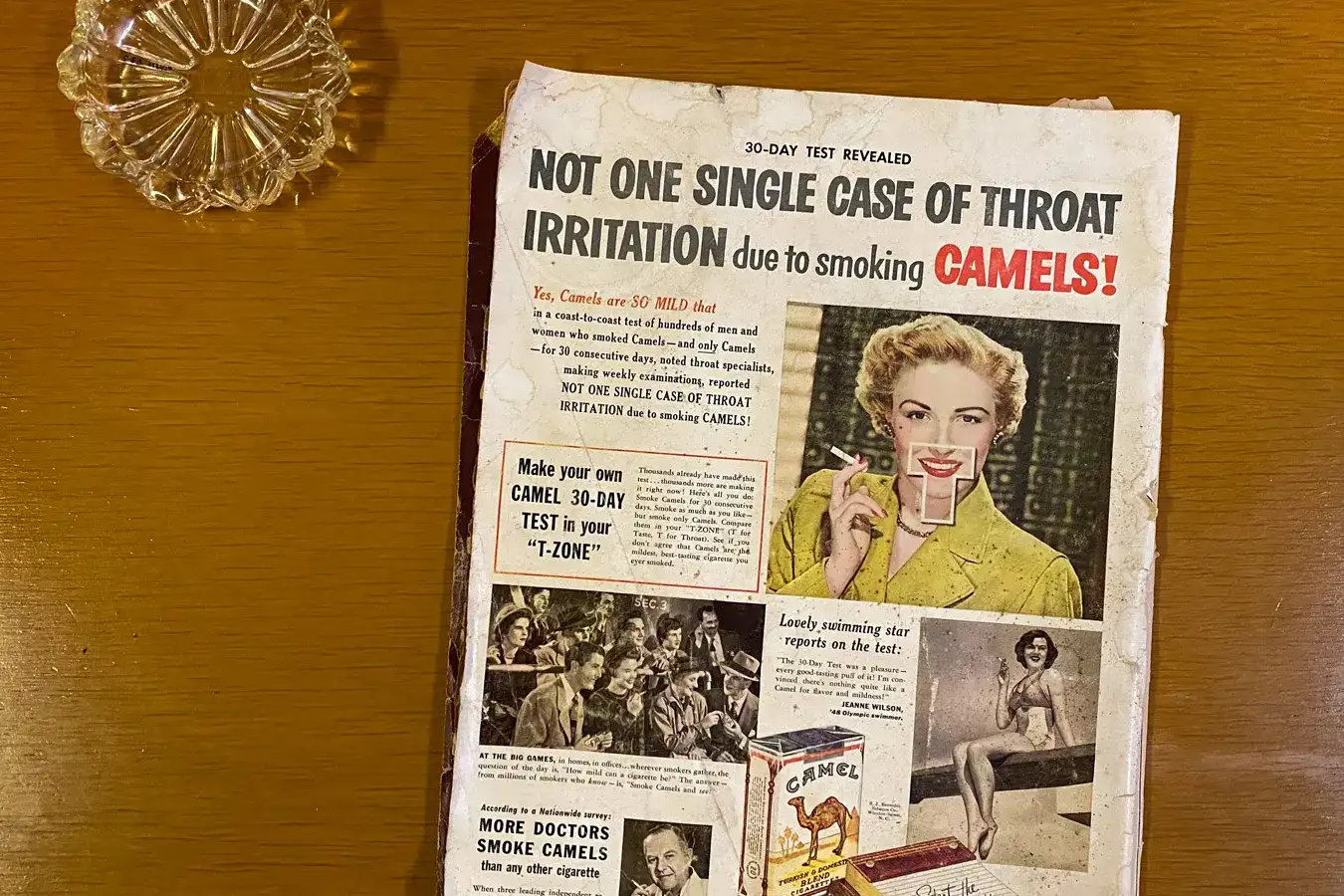
In the 1950s, with evidence mounting of tobacco’s role in cancer, the industry began to develop a range of tactics to prevent government regulation and to keep people buying its lethal products. Since then, every ‘dirty’ sector – from the oil industry to factory farming corporations – has used the same tried-and-tested tactics to keep their profits flowing, despite the horrific impacts of their business. How do they do it? In three words: Deny. Delay. Dilute.
Tobacco playbook tactics: denials
The first step to prevent being regulated is to deny aggressively that you are doing anything wrong. You pay scientists to come up with conclusions that oppose all the independent research, and you incentivise people with influence to cite it everywhere – online, in the media, even in parliamentary debates. Just sowing a little doubt can completely derail plans for reform and dirty industries know this very well.
As far back as 1954, the fossil fuel industry knew that their product would disrupt the Earth’s systems but they continued to deny its impact for decades. The alcohol industry followed suit. Not only did it embrace denial, it asserted the exact opposite of the truth. It told the world that alcohol in moderation is actually good for you. Dr Tim Stockwell, whose research revealed the reality of alcohol’s impacts, told The Guardian: “It’s been a propaganda coup for the alcohol industry to propose that moderate use of their product lengthens people’s lives. The idea has impacted national drinking guidelines, estimates of alcohol’s burden of disease worldwide, and has been an impediment to effective policymaking on alcohol and public health.”
Unsurprisingly, the factory farming industry has adopted this brazen approach, too.
Big Meat’s denials
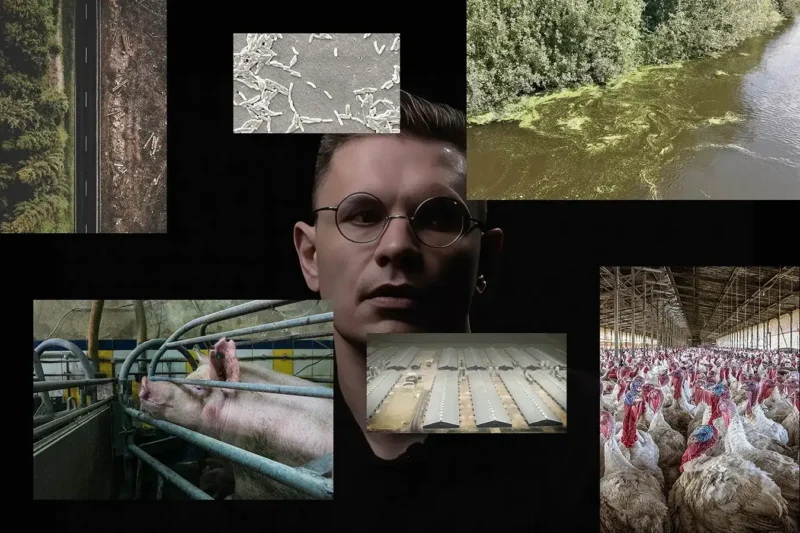
Because the production and consumption of factory-farmed meat has negative consequences for animals, our health, public health, the climate, rivers, the ocean, air quality, forests, and wild animals, the industry has an awful lot to deny. They do this both explicitly and implicitly through misleading representations.
One explicit claim is that we can buy locally produced meat to reduce any environmental impact but the scientific evidence clearly does not support this. Says Dr Hannah Ritchie of Our World in Data, “Transport typically accounts for less than 1% of beef’s GHG emissions: eating locally has minimal effects on its total footprint.”
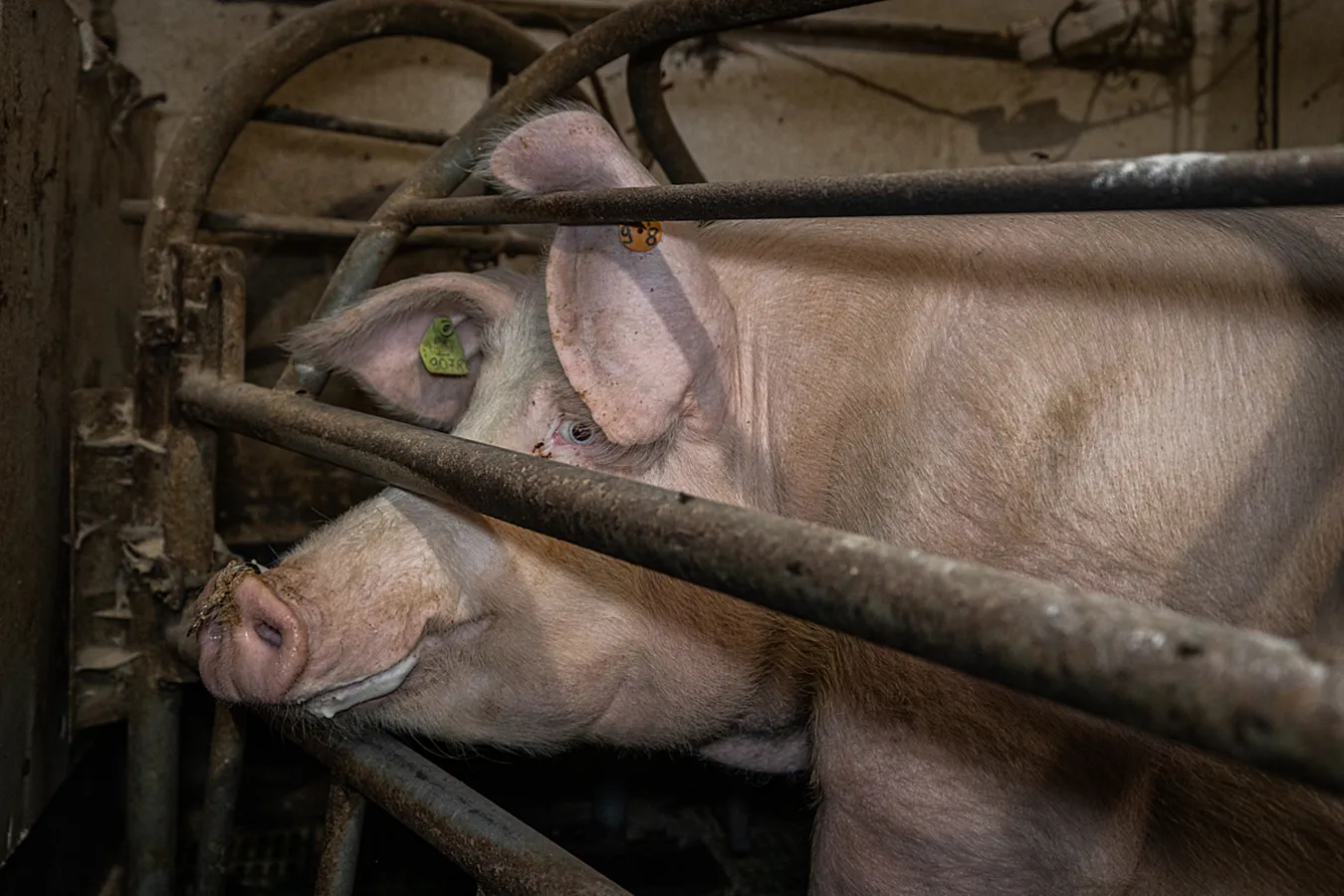
When it comes to the experiences of animals on farms, we need only look at the industry’s advertising campaigns and compare them to real images to see how the public is deceived into thinking that animals are well cared for on farms. This type of denial is subtle, but it is also incredibly effective.
Playbook tactics: delay
Dirty industries know that they won’t be able to deny the impacts of their products forever and that one day they will be regulated and their vast profits will take a dip. Their aim is to delay that inevitable outcome for as long as possible. And, just as the tobacco industry pioneered, there are lots of ways to do this. They can make political donations to ensure they have friends in high places. They can lobby for delays at every level, even on the international stage. And they can launch legal actions to challenge any proposed regulation, something they can easily afford because the dirtiest industries are also among the wealthiest. Go figure.
If, despite their best efforts, they sense the winds of change, these industries work to kick the regulatory can further down the road by promising to self-regulate. “There is no need to spend time and money regulating us!” they say. “We’ll do it ourselves. You can trust us.” And you know what? Governments do, which may just be connected to all those political donations.
Eventually, the sh*t hits the fan, and these companies suddenly promise to change. But guess what? They tend not to follow through. Research has found that they promise to [insert heartfelt promise] by a date sometime in the future, but in the meantime, they do little to nothing and privately often state an intention to do the exact opposite.
The delaying tactic has been utilised by many dirty industries. Says Dr Katherine Severi of the Institute of Alcohol Studies, “Just like tobacco companies, alcohol companies have a long history of disrupting and delaying health policy, which is why the World Health Organization advises governments to protect against undue influence from the alcohol industry.”
But who is protecting governments from the undue influence of factory farming corporations?
Big Ag’s delaying tactics
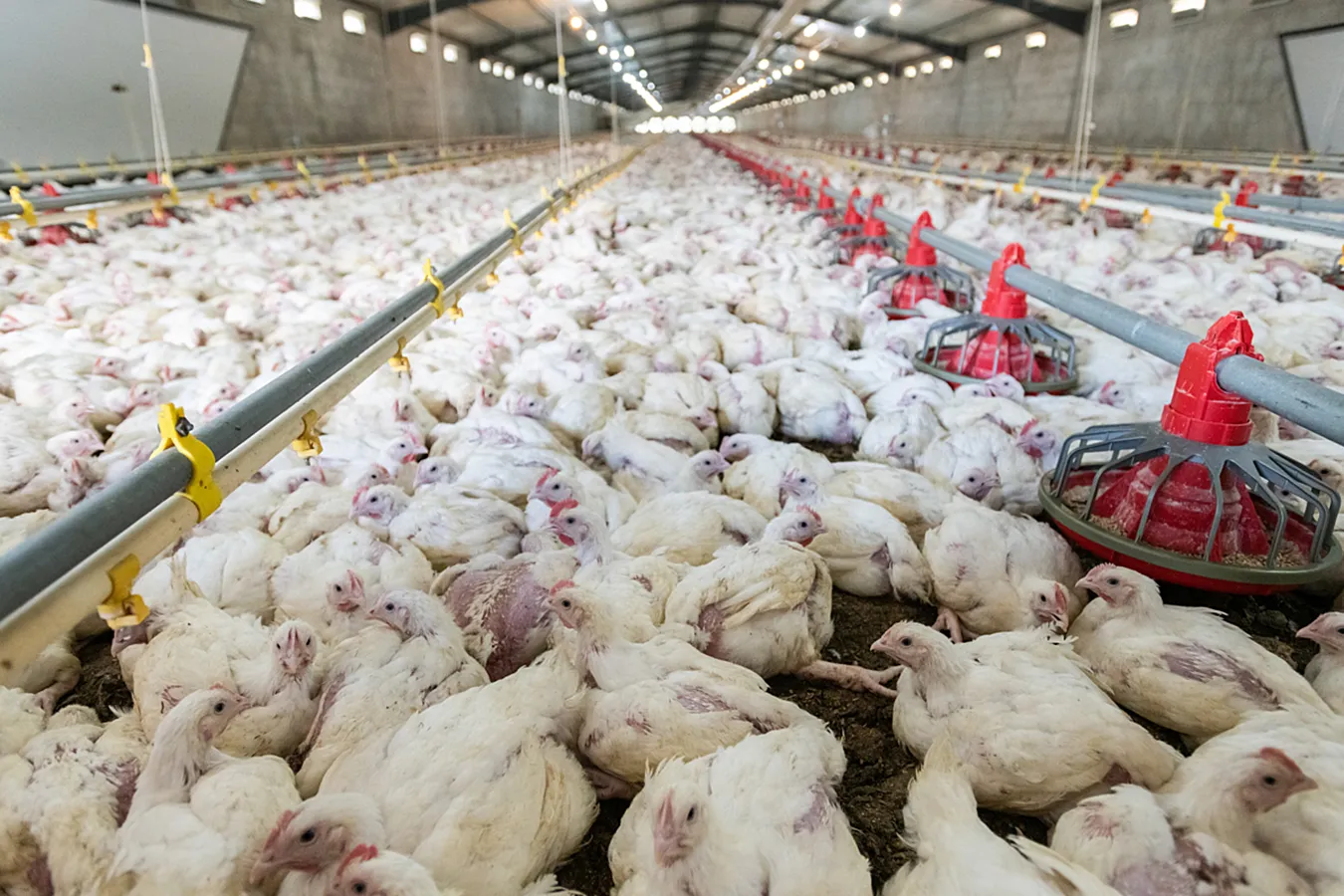
One example of the power of delaying tactics comes from the world of industrial chicken production. When the manure from the industry’s vast factory farms leeches into waterways, it creates algal blooms which poison rivers and kill wildlife. Devastated by the pollution of the Illinois River, Oklahoma’s Attorney General Drew Edmondson brought legal action against several industrial chicken agribusinesses, including Cargill, back in 2005. The case was not heard until 2009 and then, for reasons that have never been made clear, it languished for 18 long years. And all the while, the industry’s pollution ran rampant. In 2023, the judge finally ruled in favour of the state but to this day, the companies have not been sanctioned or even forced to clean up their mess. And while they achieved two decades of sanction-free river pollution in the US, they were also busy exporting their polluting industry to other parts of the world. Today, the British River Wye, which once teemed with wildlife, is all but dead, thanks to the proliferation of chicken farms, including those owned by Cargill.
Tobacco tactics: dilute
When time runs out on the delaying tactics and regulation becomes inevitable, industry-paid lawyers swoop in to get the lightest touch possible.
One example from the US: When the health hazards associated with smoking were discovered, the Surgeon General issued several reports warning of the dangers. That led to multiple lawsuits being brought against the tobacco industry for misleading advertising, and in 1965, it was required to place health warnings on all cigarette packaging. In 1969, the industry was banned from advertising on radio and television. But, according to Yale University, “Under pressure from the tobacco industry lobby, Congress diluted many of these regulatory efforts, while the Food and Drug Administration claimed that cigarettes were beyond its scope until 1996, when it became involved in the issue of cigarette sales to minors.”
More recently, a Bill was tabled in the UK parliament that proposed banning tobacco sales to anyone born after 2009. With the writing on the wall, the industry began lobbying hard for a weakening of this proposed law and predictably put forward a compromise that would allow them to keep profiting: they suggested raising the legal age for tobacco sales from 18 to 21. In Malaysia and New Zealand, where politicians have also tabled policies to phase out tobacco use, the industry is following the exact same playbook.
Factory farming’s dilution tactics
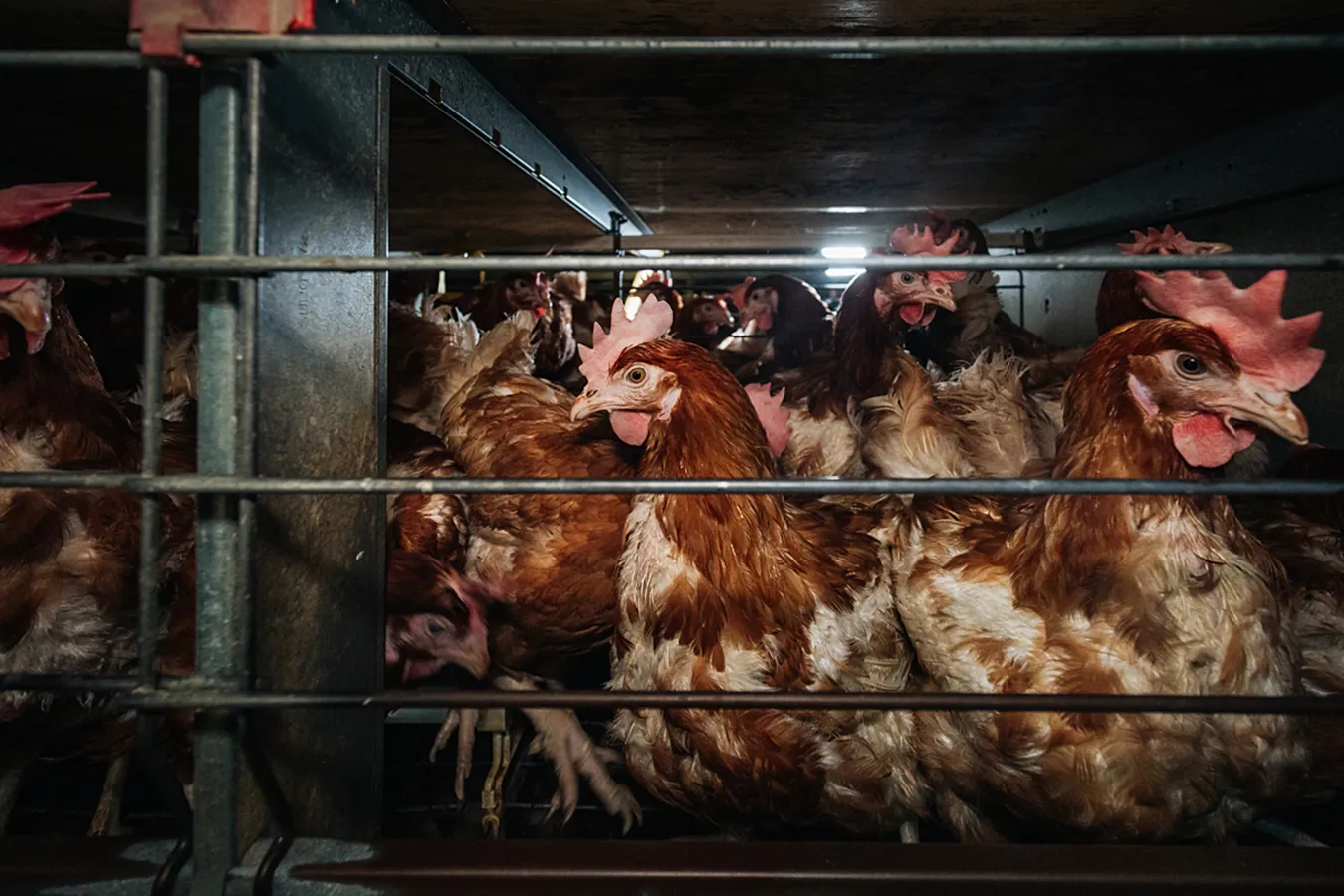
The public hates to see animals in cages, and yet on egg farms across most of the world, this is how hens are forced to live. As the campaign to free birds from battery cages spread across Europe, the industry came to realise it would not win and instead it switched tactics and lobbied hard to dilute the proposed ban. And it succeeded. Today, hens across the UK and EU are confined inside “colony cages”, which – aside from a piece of wood to stand on and a curtain for “privacy” – are little better than the old battery cages. Play a game of “spot the difference” and you will see that, in essence, nothing has changed.
Another example: To reduce the environmental impact created by meat and dairy industries, the European Union launched a Farm to Fork initiative. Eleven policies were put forward to curb the activities of this reckless industry, but one by one, the factory farm lobbyists successfully diluted them or killed them off entirely.
The pollution paradox
Journalist George Monbiot coined the term “the pollution paradox”. The more polluting an industry is, the more money it must invest to ensure it is not regulated out of existence. And that means politicians and other decision-makers are regularly exposed to the propaganda – and the cash – of the world’s dirtiest industries.
There is a reason that broccoli growers do not roam the corridors of power… they do not need to influence policy. They grow tasty, wholesome food that has a low environmental impact, is good for our health, will never unleash a pandemic, and does not lock up billions of animals in inhumane, squalid conditions.
But Big Tobacco, Big Oil, and Big Ag throw vast sums of money at regulators and into spreading misinformation because it is the only way they can survive. While this blog cites just a few examples of the tactics used, there are countless more. If you want to understand more about how the Tobacco Playbook is employed by factory farm corporations and the other industries that harm us, we recommend:
- This article on tobacco tactics
- This analysis relating to tobacco tactics and junk food
- This article relating to tobacco tactics and forever chemicals
- This article on Big Oil using tobacco tactics
- This article on the alcohol industry using tobacco tactics
- This report on meat and dairy industries using tobacco tactics
Yup. As you can see, they are all at it.