What do whistleblowers say about factory farming?
Factory farms thrive on secrecy but what happens when whistleblowers come forward to reveal the truth?
The billions of animals who pass through the factory farming and slaughter system each year are kept well out of view of the public.
Most of us have little idea what their lives are like, the routine procedures and processes they are subjected to, and how they are treated by those who are tasked with caring for them. This is why the testimony of industry insiders is so important to understanding the true cost of factory-farmed meat, eggs and milk. Thankfully, there are courageous and compassionate people who are willing to speak up, but they often find there is a price to pay.
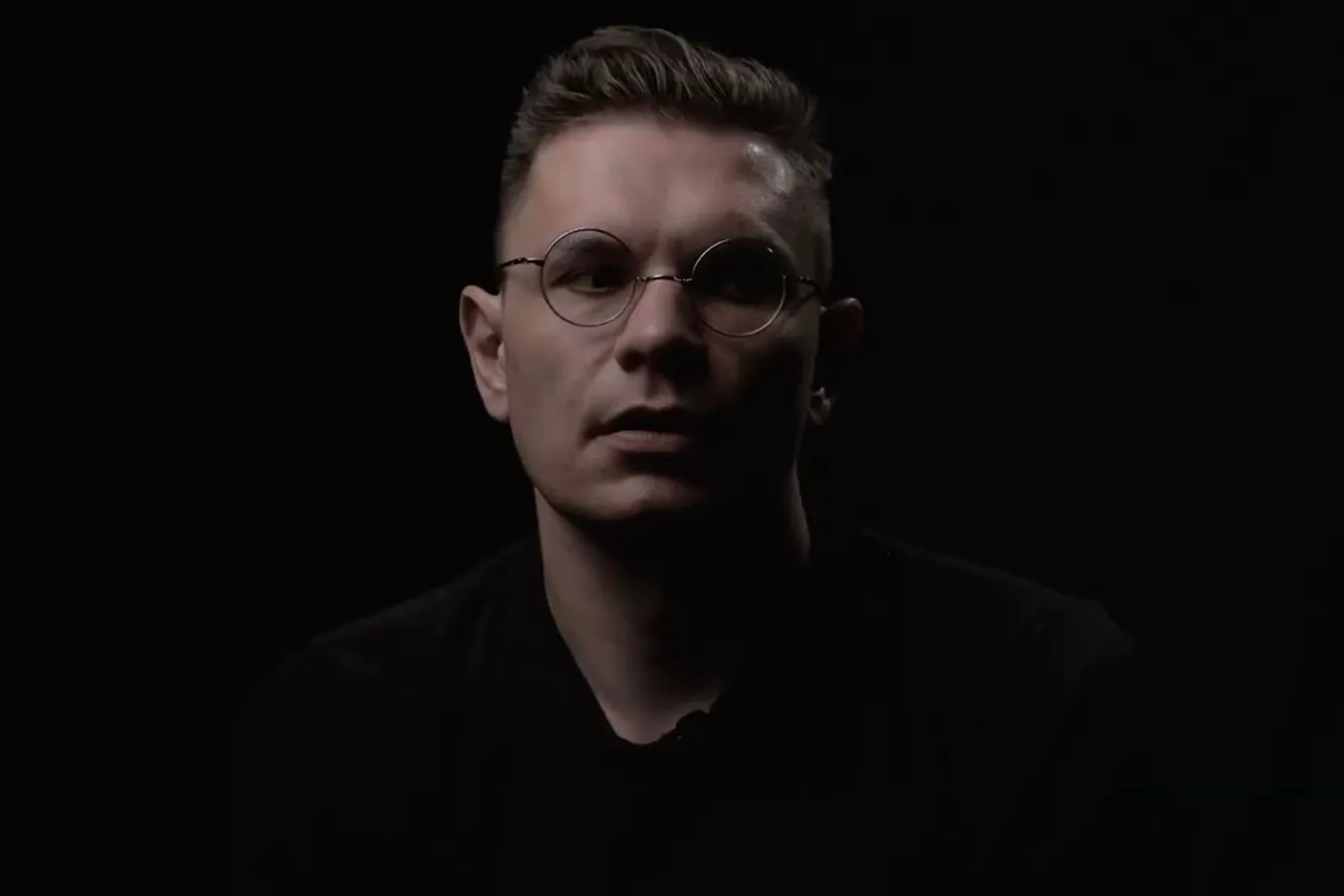
Tom Herok, chicken farm worker
Between July and September 2022, Tom Herok documented his employment on a British chicken factory farm using a hidden camera. He filmed seriously sick and lame birds, which is not surprising given such suffering is found inside every industrial chicken farm in the world. Leg deformities, as well as heart attacks and other serious health problems, stem from the fact that the birds have been genetically manipulated to grow far too big, far too quickly. These poor creatures have been dubbed Frankenchickens.
That is all bad enough but Herok also found a criminal lack of care, with birds being run over by a forklift, some killed outright, others left to die of appalling injuries. He filmed the treatment of tiny chicks who were ailing, weak or just not putting on weight fast enough: They were pressed against the holding bars of the drinking trough until their necks broke.
This was not a small farm that was flying under the regulatory radar. This was a large farm that supplied 2 Sisters, one of the biggest chicken processors in the world, which, in turn, supplied supermarket chains including Tesco, Asda, Aldi, and Co-op. You can watch Herok’s footage here.
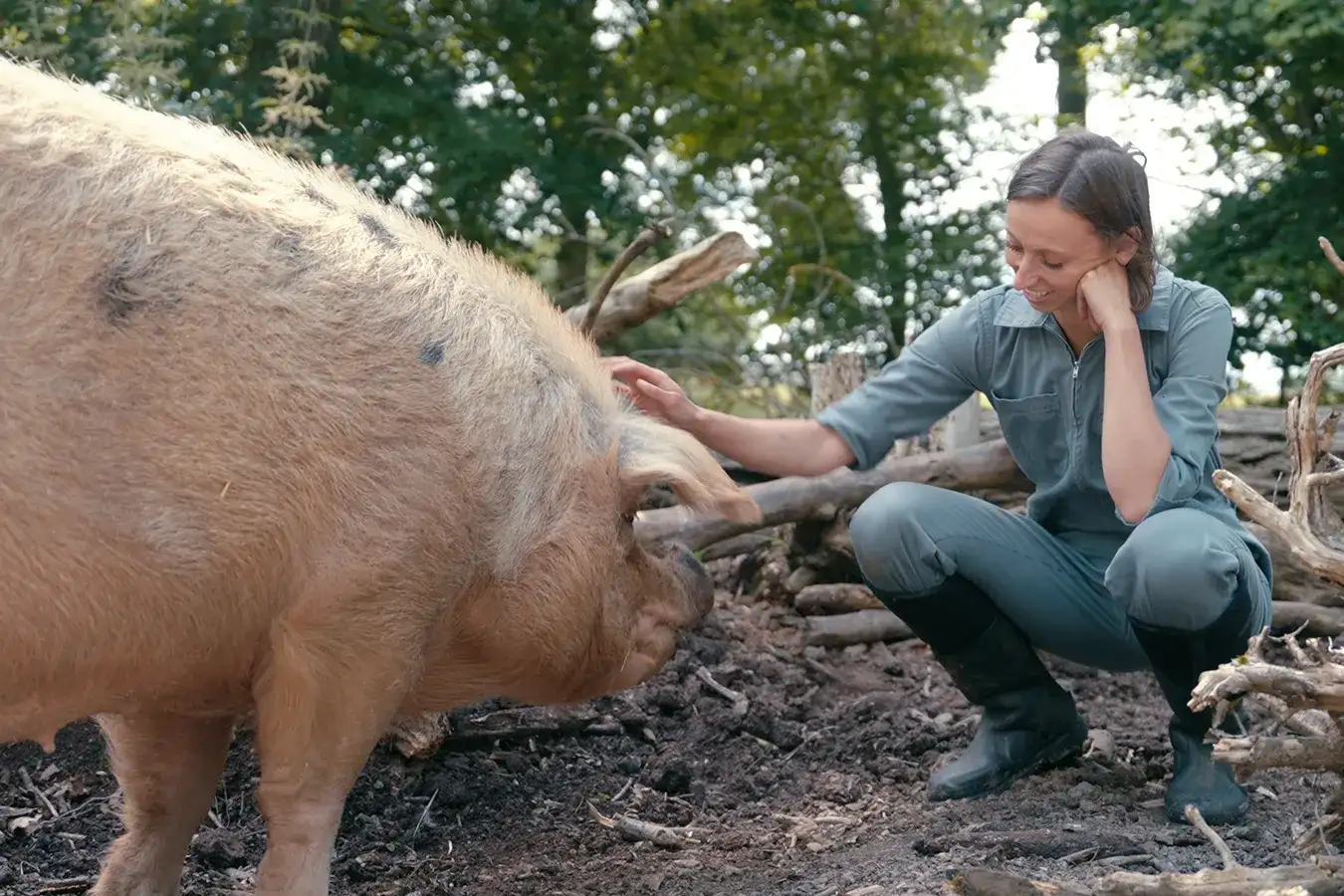
Dr Alice Brough, pig veterinarian
Alice Brough always loved animals and had wanted to become a vet since she was a child. She studied hard to achieve her dream and eventually went to work for a farm animal practice where she specialised in pigs. Brough spent her days visiting commercial intensive pig farms and her dream job very quickly became a nightmare. One day, she attended a client’s farm and walked right into a horror movie with animals in such a poor state that she had no choice but to shoot 20 pigs for their own wellbeing. Some were skeletal, others had pressure sores so deep she could see the insides of their joints. It was the beginning of the end of her career. “I could not bear to shoot another pig due to someone else’s lack of care,” she says. But when she spoke out about the suffering, she was banned from visiting that group of farms again. Soon, she had little choice but to leave her job.
Today, Brough is an advocate for animals, using her years of experience to speak out about the horrific conditions that pigs are forced to endure on Britain’s factory farms.
Doug Maw, slaughterhouse worker
As a teenager Doug was inducted into a government training scheme. He told them he wanted to work with animals but they sent him to work in the local slaughterhouse. He started in the gutting room and then soon was moved to the kill room where he was put to work cutting animals’ throats. He didn’t even have a slaughter license but “they were not so particular unless there was someone from the vets or inspectorate around,” he told us. That was just the start of the serious problems he found with the industry and its practices.
There’d be a room full of pigs just writhing around in a mass, and a couple of guys walking around to stun them, someone else trying to cut their throats, and then someone else hooking them up and dropping them into the boiling vat to burn the hairs off. You can imagine the kind of things that could go wrong in that situation because it was so chaotic, and they did regularly.” One pig clearly hadn’t had their throat cut, never mind been stunned, and was hoisted and dropped into the scalding tank, and the screams… I’m screaming at people to stop but it’s too late. The pig’s in the tank thrashing around. I actually had to go outside and throw up.
Today, Doug speaks out against the abuse and harm of animals, including in farming and slaughter. “I still feel guilty about my time in slaughterhouses.” he says. “I see my activism as a means of atoning for that. I can’t ever wipe it out, but I will try until the day I die to do the best I can for animals.”
Dr Lynn Simpson, live export veterinarian
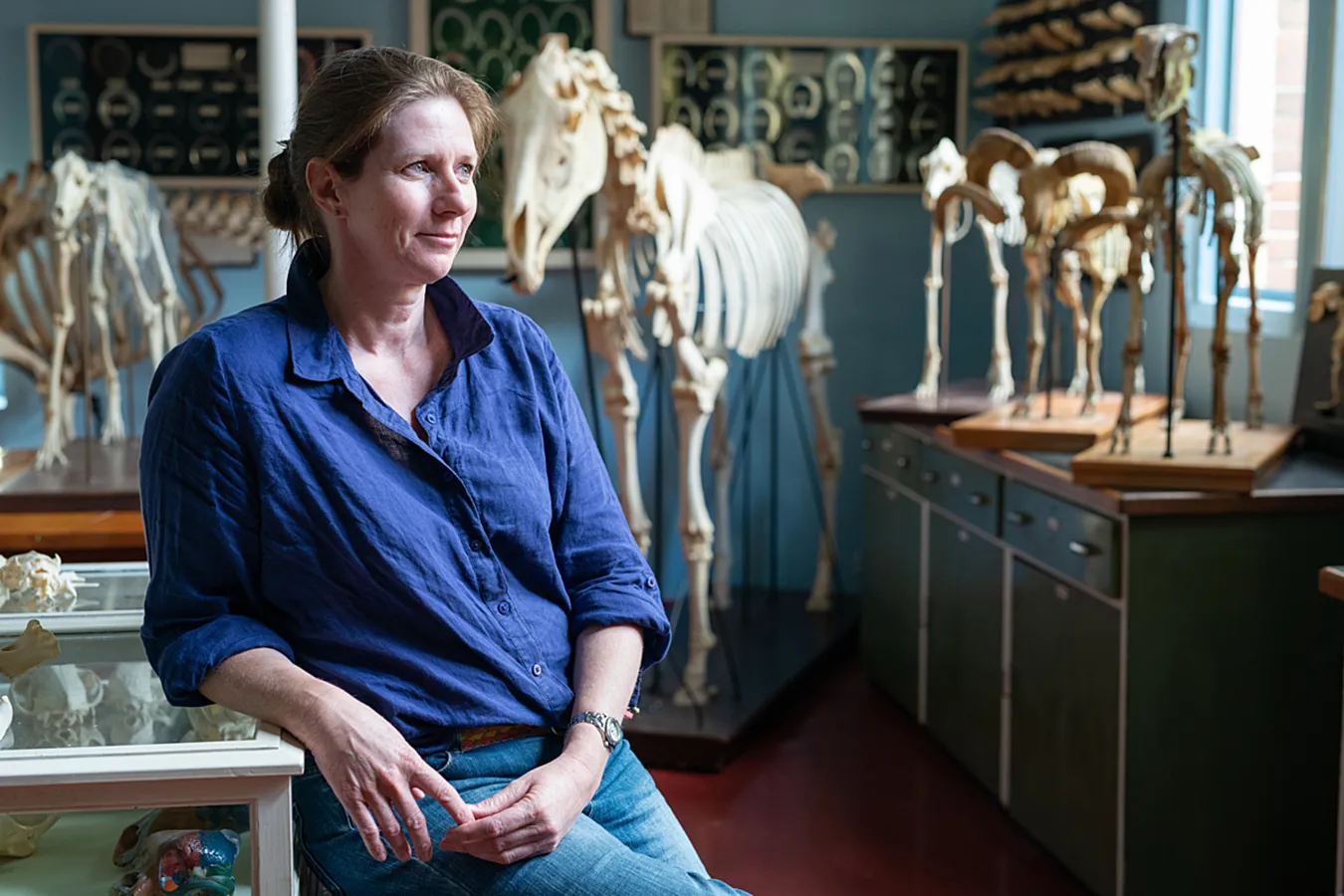
For ten years, Lynn Simpson worked as a senior veterinarian on board live export ships taking sheep and cows from Australia to the Middle East. In all, she worked on 57 voyages, each lasting several weeks, where she would do her best to care for the 100,000 animals who would be slaughtered on arrival at their destination.
Simpson knew that conditions on board would be challenging and the welfare of the animals compromised. But this description by Unbound Project paints a vivid picture of what she faced each day.
On board, the overcrowded animals suffered heat stress, suffocation, starvation, and thirst, so tightly packed they were often unable to easily reach water as they were shipped into the heart of Middle Eastern summer. Lying down meant they were likely to be trampled by the other desperate animals beside them. Mother cows and sheep suffered miscarriages or stillbirths; still more had their babies crushed to death under the sea of hooves. Simpson describes the animals on one voyage as actually having melted, ‘cooking from the inside’. She spent her days seeing to their injuries, doing what she could to relieve their suffering, and euthanizing those she could not help.
Simpson made countless reports to the government about the depths of suffering endured by animals on ships, all of which were ignored. It was years later, after she had been promoted, that a private report detailing her findings was leaked, and the public reaction took the government by surprise. It made headlines across the country and shamed the authorities who consistently had failed to act. Simpson was forced from her job, but the long overdue ban on exporting live sheep, which will come into force in 2028, is in part due to her compassion and persistence.
Craig Watts, chicken farmer
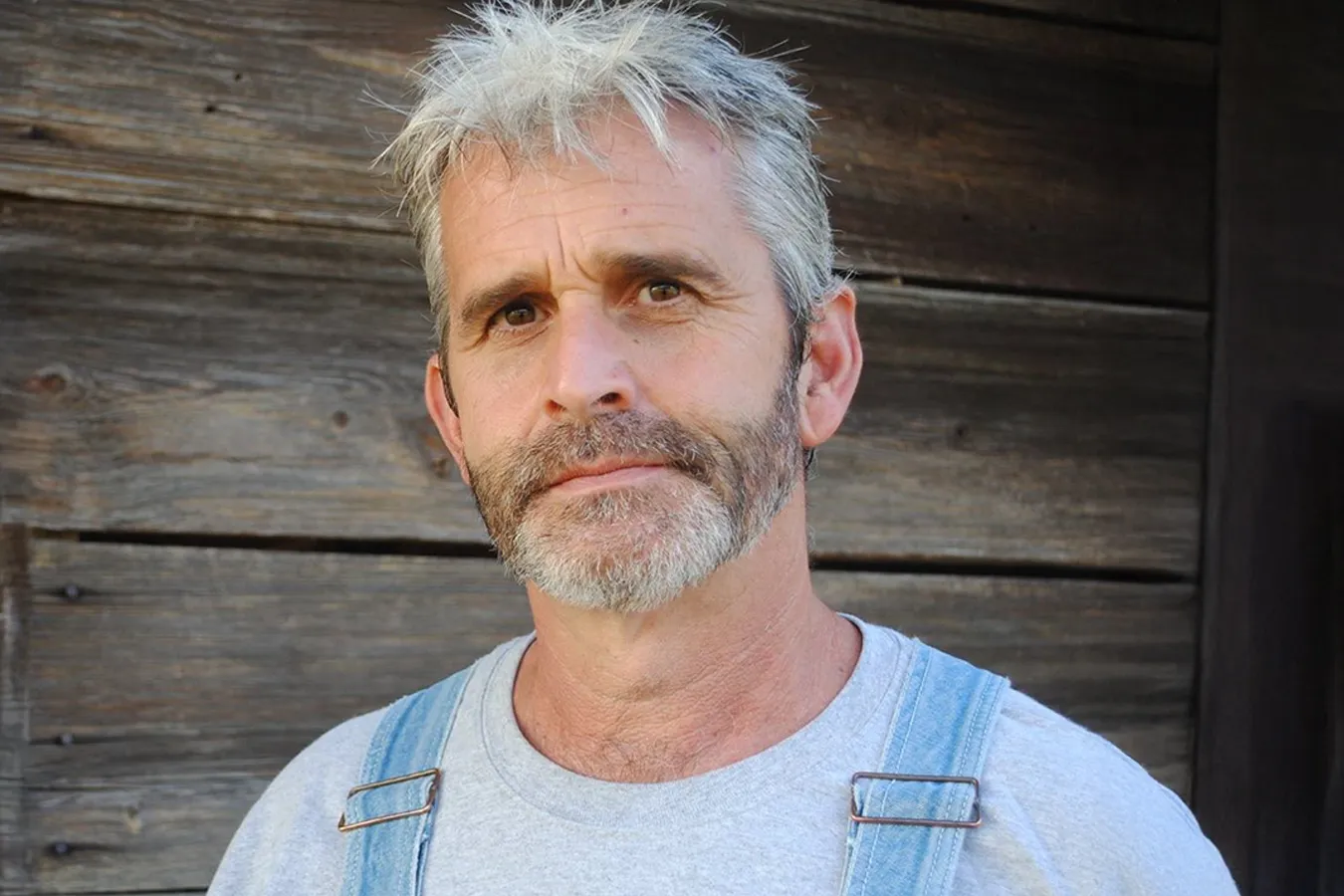
In 2014, North Carolina chicken farmer Craig Watts became so disillusioned with the industrial farming process that he invited a nonprofit to come and see the poor conditions for birds on his own farm. Watts had been contracted to raise chickens for meat giant Perdue but finally broke with the industry when he said that their claims of birds being humanely raised “couldn’t be further from the truth”.
In a formal complaint to the US Department of Labor, Watts said that the chicks arriving at his farm included birds who were deformed and ill, with far too many dying within the first few days. The survivors were forced to grow so fast that they could do little but lie on the ground, unmoving. These fast-growing birds are known as Frankenchickens. Watts also revealed how he and other contract farmers were trapped in a cycle of debt.
Ten years on, Watts is still being punished for speaking out and is being sued by the chicken corporation. If Perdue’s legal action is successful, it could end whistleblower protections in America while tightening the already near-total secrecy surrounding intensive animal farming.
But Watts has not come this far to be beaten. Alongside other former chicken farmers from five states, he has filed a counter lawsuit accusing Perdue, Tyson and other Big Ag corporations of treating farmers like indentured servants and colluding to fix prices paid to them. We wish them luck.
Scottish salmon farm worker
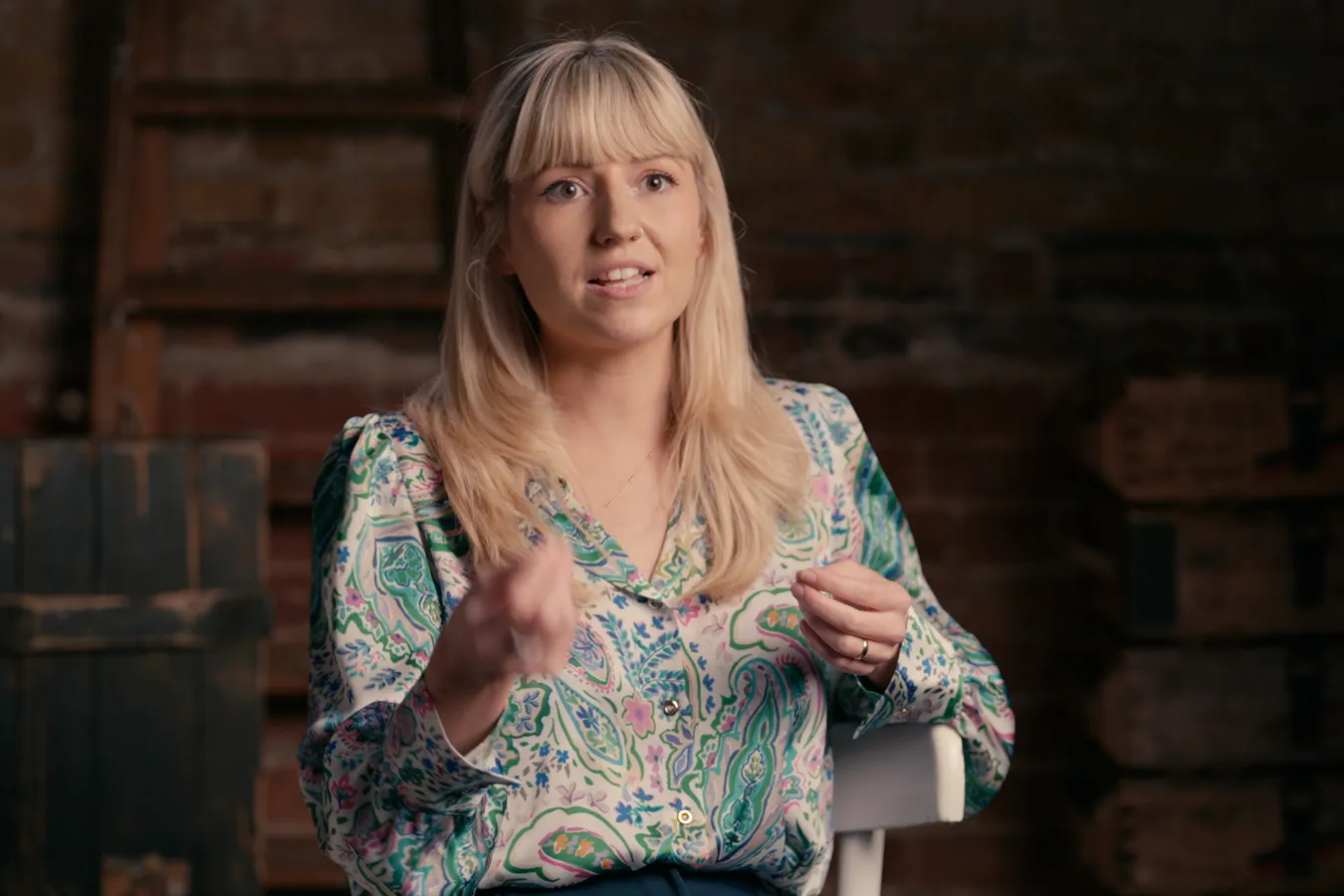
In 2023, an anonymous worker at Mowi, a leading salmon factory farming corporation, made public a film they had taken at the company’s hatchery. Abigail Penny, executive director of Animal Equality UK, who campaigns against industrial salmon farms, said: “Countless videos have emerged from other farms this year showing deformed, sickly fish being eaten alive by lice, while continued exposés reveal that millions of fish are dying on farms due to disease, predation and unnatural conditions. Now we’re watching on in horror as workers trudge through slurry up to their ankles.”
The Inchmore on-shore hatchery produces up to 12 million young salmon a year for Mowi, which is the UK’s biggest salmon farming company, supplying supermarket chains Sainsbury’s, Asda, and Tesco, as well as online grocery stores, Ocado and Amazon Fresh.
Official figures reveal that a shocking 4.5 million fish died at that site between 2018 and 2023. Continues Penny: “For decades, people have mistakenly viewed Scottish salmon as a ‘luxury’ product; footage like this, shared by concerned whistleblowers, shows the reality is far from luxurious. Whether at sea or on land, salmon farming is truly revolting.”
UK government veterinarian
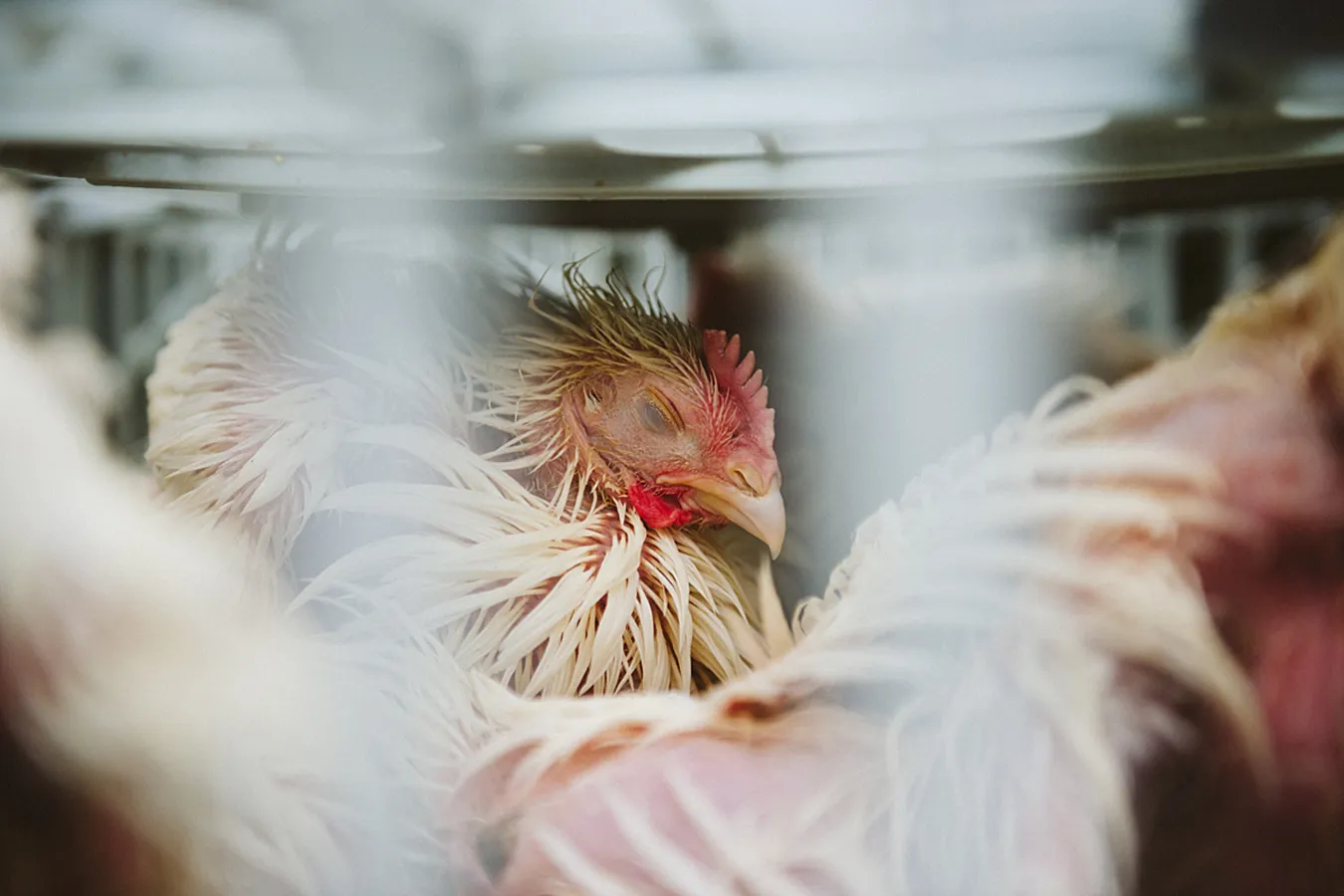
A government veterinarian speaking anonymously to The Guardian in 2021 revealed that chickens are “dying like flies” while being transported from farms to slaughterhouses because of poorly ventilated lorries.
The veterinarian explained: “In the summer months they can be sat in the cages with temperatures getting to 40C (104F) in some parts of the truck. They would be panting and die from heat stress in a pretty rough way. In the winter, they are being taken out of temperature-controlled sheds where they have been kept at 21C (70F) and can quickly get cold stress from the sudden temperature drop, especially if transported in the middle of the night.”
Around one million chickens die during transportation to slaughterhouses in England and Wales every year. “There’s no excuse for it,” said the whistleblower, “except the priorities of those involved to maximize the through flow of birds and financial returns.”
As always, money trumps animal welfare for Big Ag.
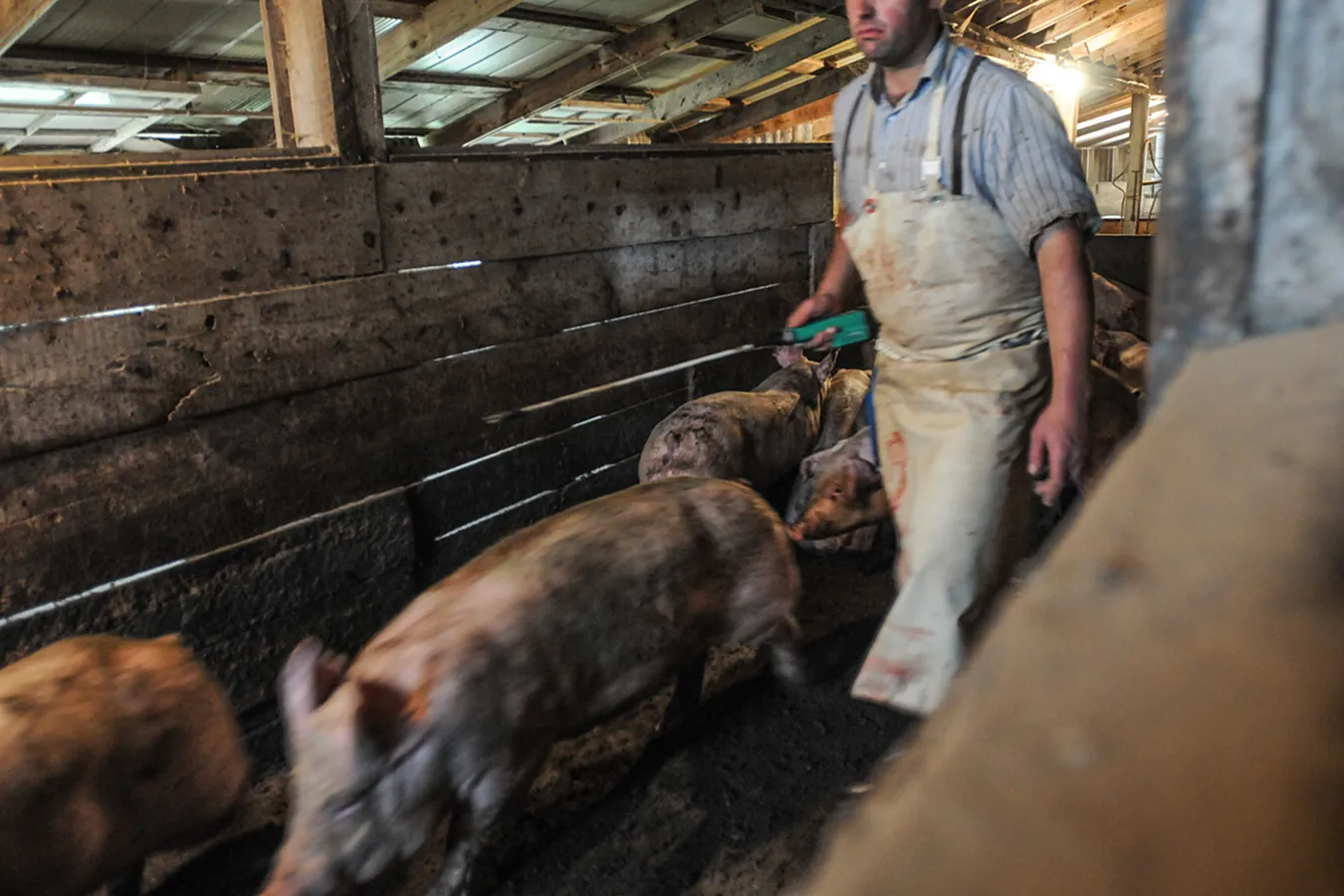
Dr Dean Wyatt, slaughterhouse veterinarian
Dr Wyatt was working as a Public Health Veterinarian for the USDA Food Safety Inspection Service (FSIS). While monitoring and enforcing health and hygiene standards, he witnessed desperate suffering, including animals being trampled and crushed and workers deliberately and needlessly beating them. Wyatt reported the abuses to his office but, shockingly, he was told to cut back on his welfare enforcement and was punished with a two-week demotion.
Wyatt would not be deterred. He continued to speak up, but instead of acting on his reports, the FSIS transferred him to a different slaughterhouse. Unsurprisingly, things were just as bad there and Wyatt continued to file reports about the suffering he witnessed which, after all, was his job. But once again, his reports were ignored or downplayed until an undercover investigation at the same slaughterhouse showed the world just how bad things were and vindicated him. From being seen as a troublemaking whistleblower, Wyatt came to be a highly respected expert and his testimony helped to secure prosecutions against the perpetrators of violence to animals.
Why aren’t there more whistleblowers?
Hundreds of people have been willing to speak up about the conditions for animals inside factory farms, and in the trucks, ships, and slaughterhouses where they spend their final days and hours. But, this is just the tiniest fraction of people who work in the Big Ag complex. So, why are there not more whistleblowers?
- Whistleblowers get punished. Those who do speak up are often ostracised, demoted, or forced from their jobs altogether. This sends a powerful message which prevents others from speaking out.
- “Ag gag laws” are enacted in some US states and in other countries, which make it illegal for people to speak out against the animal farming industry. The abuse is condoned, while those who try to stop it through legal, peaceful means are criminalised. Such is the power of Big Ag.
- The cruelty is normalized. When taking a job at a farm or slaughterhouse, workers tend to try and fit in with the existing culture and simply do what they are asked to do. If they see others behaving violently, they assume it is normal behaviour, and just the way things are.
- There are many workers who cannot stomach the cruelty but they leave without saying anything at all. Sometimes, the abuse is so traumatising that people wish to put it behind them and never speak of it.