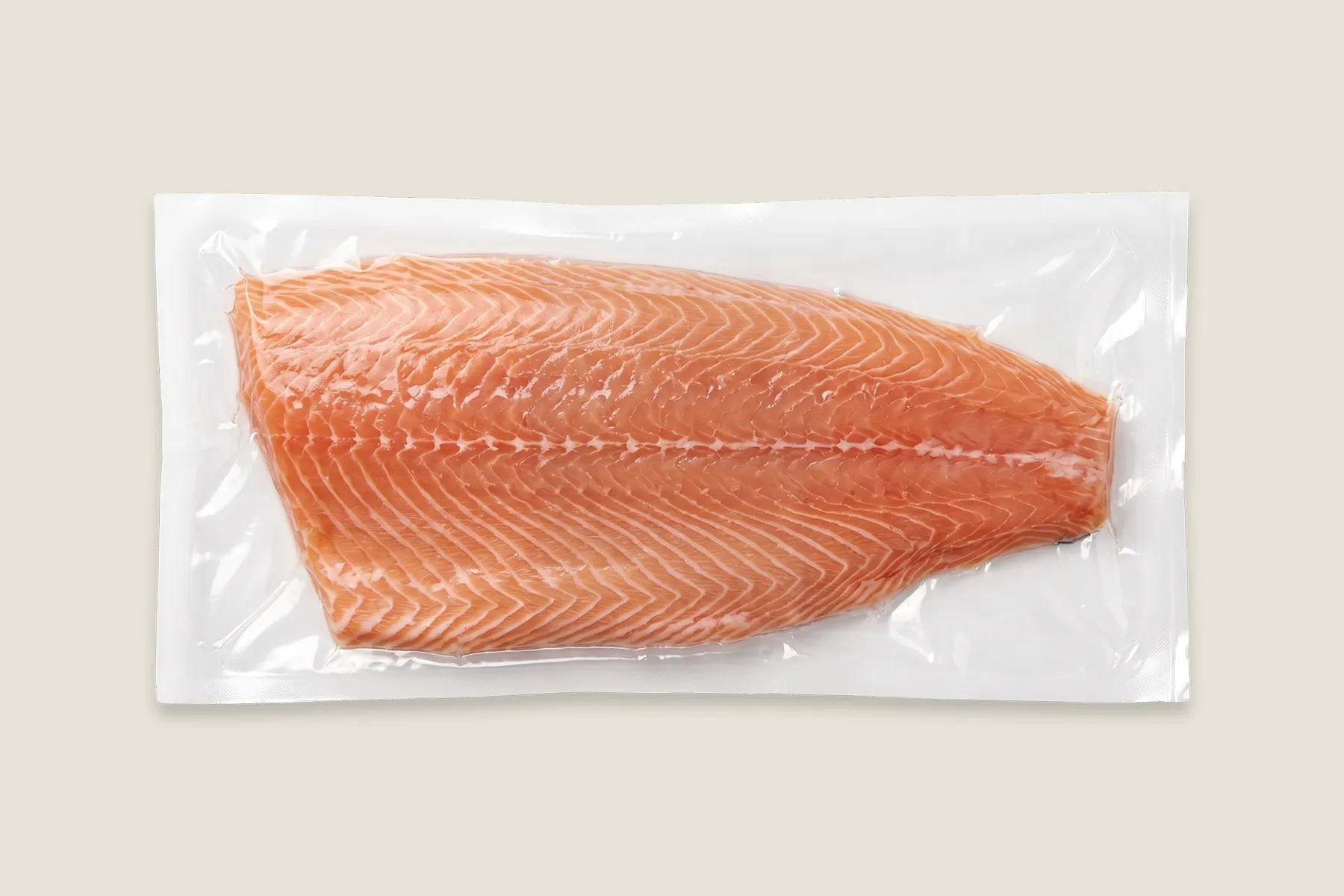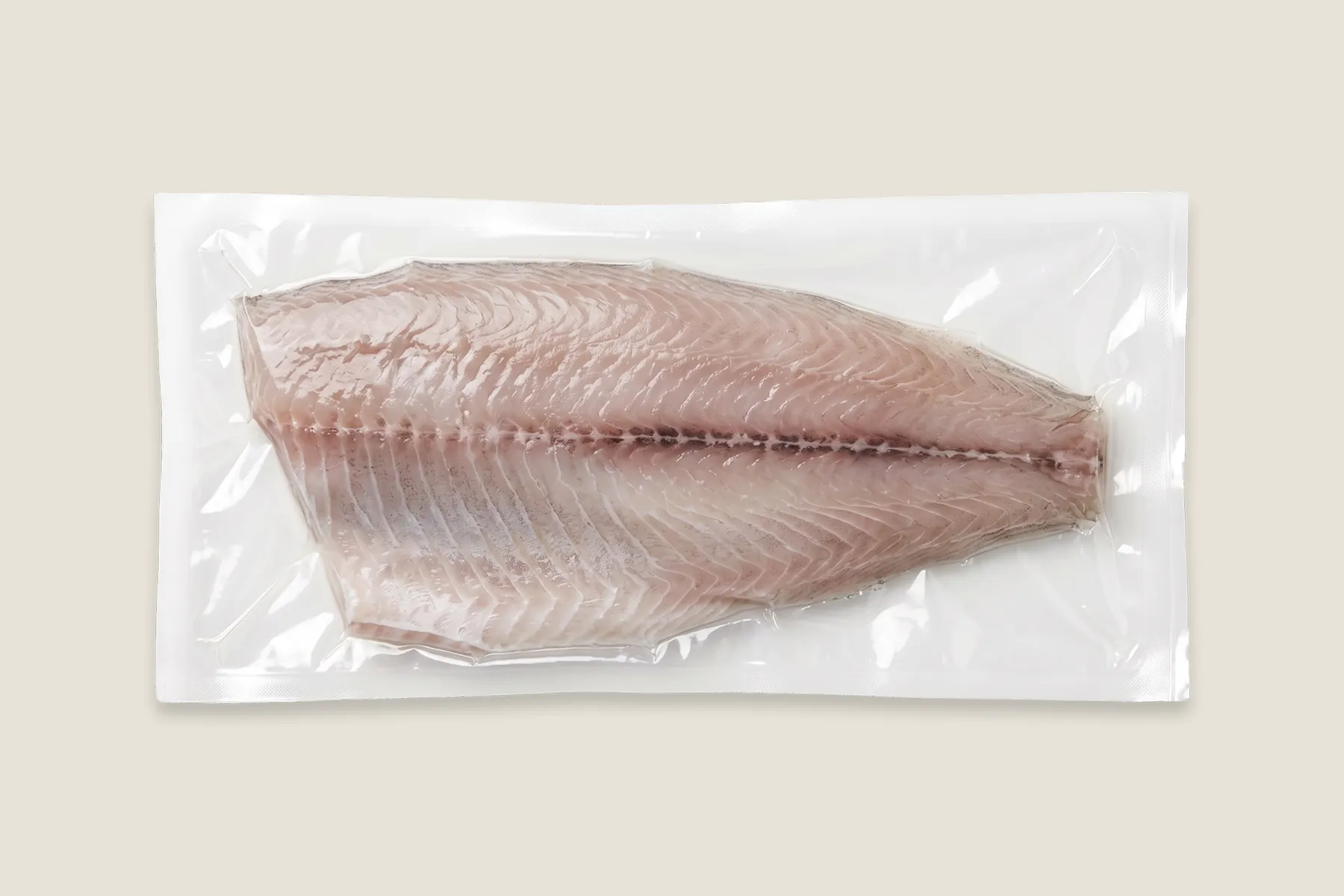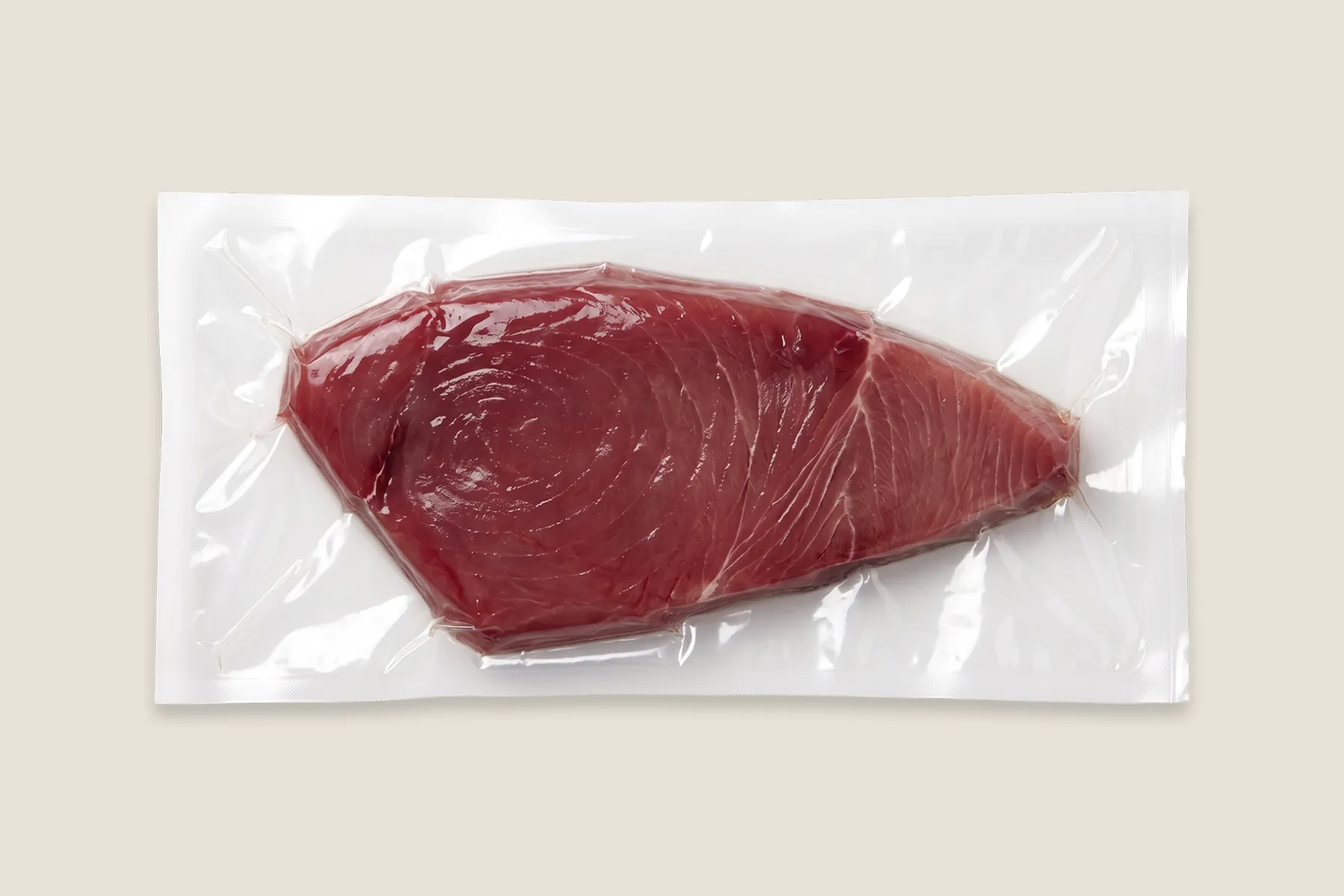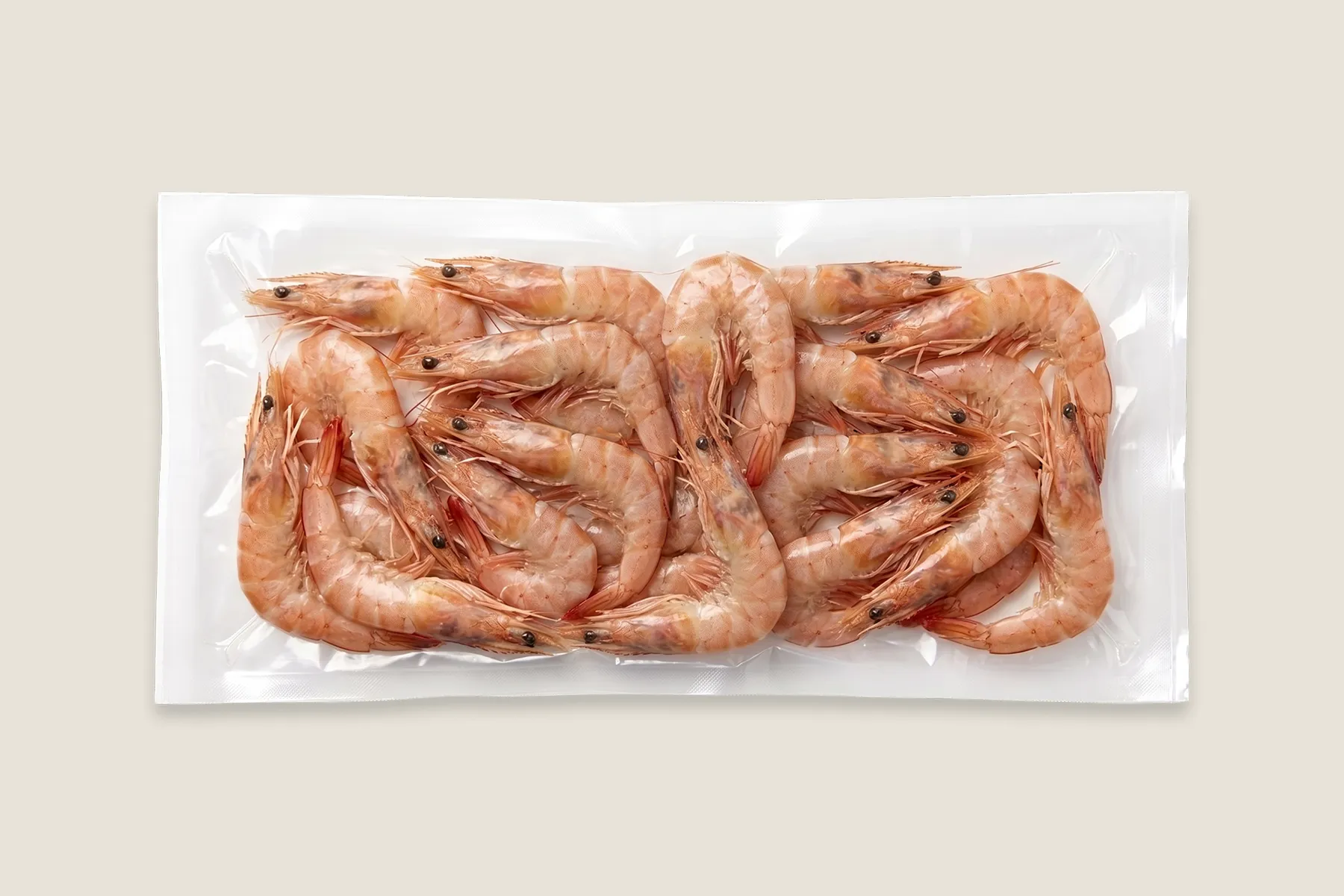
Label
Cod
Our verdict
Factory-farmed cod is a big no, but the enormous damage to the environment and the unregulated slaughter makes wild-caught cod hard to endorse, too.
Pros
None.
Cons
- Overfishing means wild cod around the UK are not doing well so most are imported.
- They are often caught by “bottom trawling” where weighted nets are dragged across the seabed, which destroys reefs and sea mounts, and leads to a large amount of “bycatch” (catching unintended species like dolphins and rays), while releasing a huge amount of carbon.
- There are no laws to govern what can be done to fish at sea so there is no such thing as humane slaughter.
- The other choice is factory-farmed cod which, given the collapse of wild populations due to overfishing, is now increasing.
- Conditions on fish factory farms are known to be appalling and, as cod in farms eat a huge amount of wild fish, The Scottish Fishermen's Federation says cod farming actually trebles the pressure on the already dwindling wild species.