Factory farmed chickens and river pollution
Factory farms not only breed sickly Frankenchickens, they are among the biggest polluters of our rivers, too.
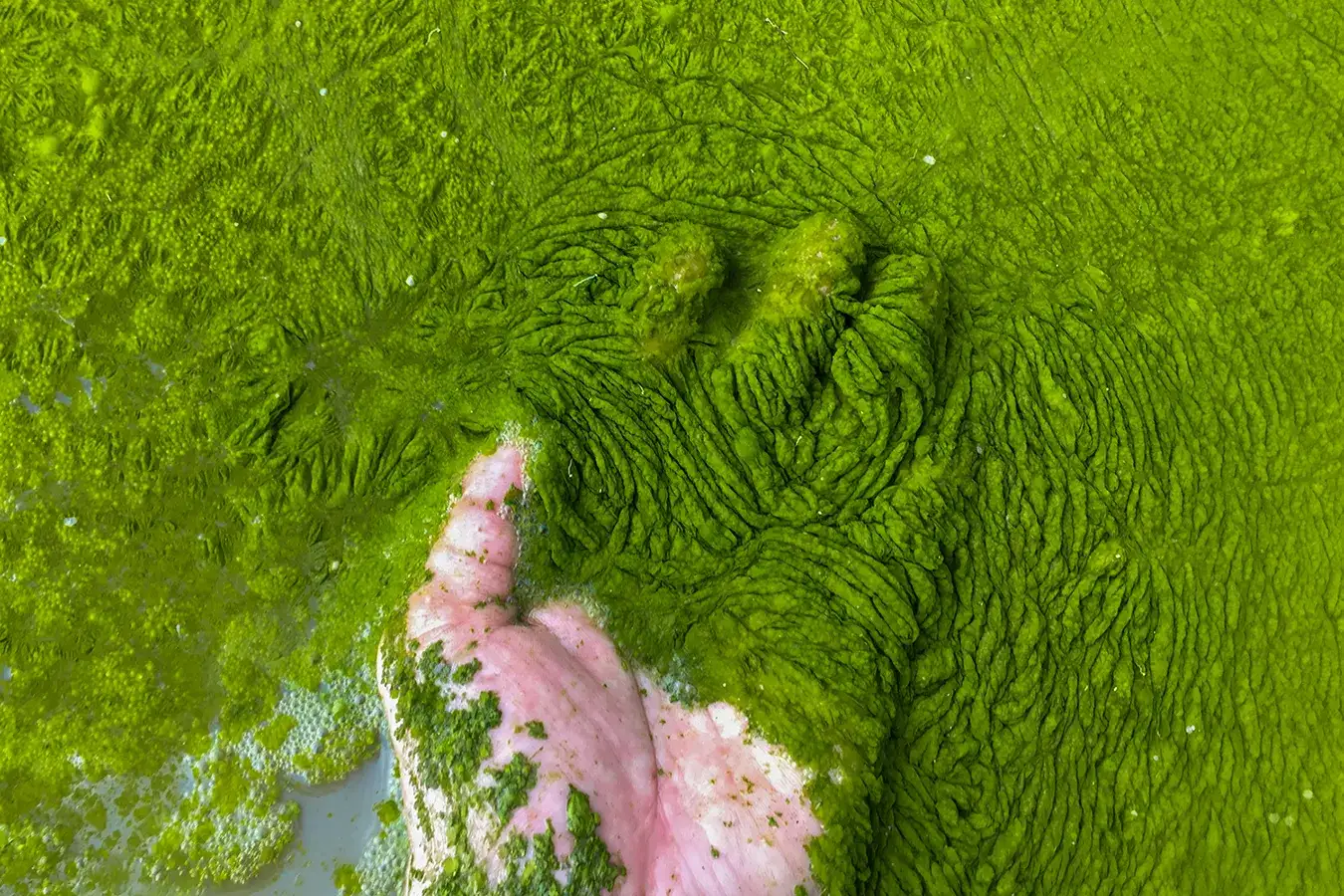
If Justin Timberlake lived in Gloucestershire, there is every chance his 2003 pop anthem would have been called Shit Me A River.
This is because the River Wye, a once pristine river that teemed with wildlife, has been treated as a free dumping ground for decades and is now awash with factory farm faeces. It turns out that polluting waterways with thousands of tonnes of chicken shit doesn’t do wildlife any favours. But the corporation in the frame for the River Wye pollution knew that already because the State of Oklahoma has already spent 20 years fighting to hold them to account in the US. So, in the game of Big Ag Cluedo, we all know who dunnit. It was Avara with its 3,000 tonnes of shit per day in the British countryside.
In recent years, chicken farms have proliferated across the UK, with governments unwilling or unable to prevent their spread. With tens of thousands of birds crammed into each warehouse-style shed, industrial farms do little for rural employment but do create enormous profits for the corporate giants that contract them, notably Avara (which is a joint venture between Cargill and Faccenda Foods), Moy Park, and 2 Sisters. These three sector-dominating companies produce between them an estimated 424 tonnes of chicken shit every single hour. Some of that is dumped directly into rivers, and some washes off the land where it is dumped, stored, or spread and creates algal blooms, which starve the water of oxygen and kill wildlife.
At best, governments have turned a blind eye; at worst, they have torched environmental regulations, actively encouraging farmers to pollute. Things are so bad that farms now cause even more river pollution than water companies, and you know how we all feel about them.
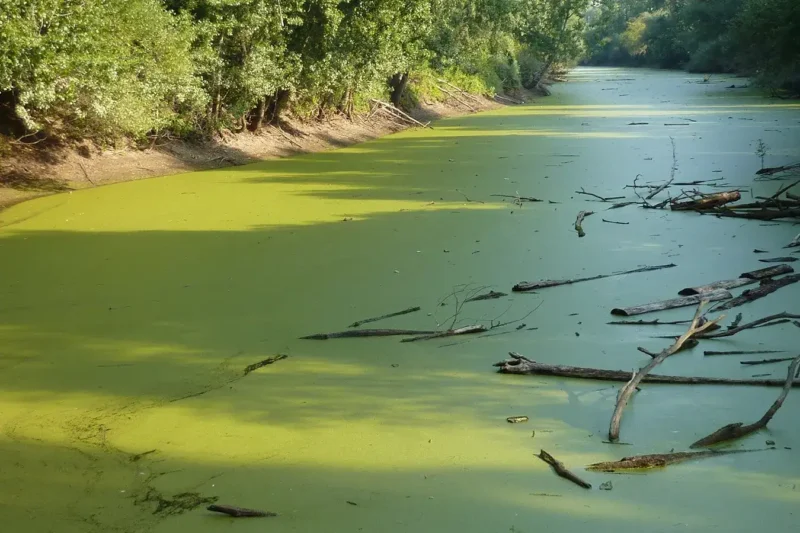
Because of the unforgivable regulatory failure, it has fallen to communities and wildlife campaigners to take a stand and to try to protect the country’s waterways. Groups like Friends of the River Wye have collected and tested water samples, pressed for political action, and done their best to hold Big Ag to account. Today, there is a class action lawsuit underway against Avara, citing the company’s reported responsibility for 75% of the water pollution in the catchment area.
So, what has Big Ag got to say for itself? Well, it started out clutching its pearls and issuing an indignant denial. How dare you suggest we do not manage our gargantuan amounts of waste responsibly? And no, we have no intention of telling you what we actually do with it. In fact, we are so hurt by your allegations that we cannot even talk to you right now. By 2023, these weapons-grade gaslighters tried this headline on for size: “Local farmers lead clean up of phosphate polluted river.” What heroes! We should also start celebrating arsonists for pissing on the infernos they lit. Then, Big Ag said the pollution was down to “multiple factors”, then it blamed individual farmers, and then it claimed it was all one big “misunderstanding”. It’s proving rather hard to keep up.
But all of this is part of the tried-and-tested Tobacco Playbook: deny everything, delay regulation, and – if all else fails – dilute any laws that are finally enacted. As we can see from Oklahoma versus Cargill, by engaging in a protracted legal battle, filthy corporations are able to keep profiting and polluting for decades. And the profits we are talking about are huge. Avara’s annual revenue is £1.5 billion, which should be more than enough to make conditions a little less appalling for animals and to dispose of the waste responsibly, except they would rather just keep pocketing the cash, thanks very much.
Factory farming corporations only survive because Big Ag cuts corners at every turn and cares not a jot for who suffers as a result: not the 900 million sickly, fast-growing Frankenchickens who are slaughtered each year in the UK; not the public infected with bacterial diarrhoea after eating its shit-encrusted products; and of course not the rivers, or the communities and wildlife whose lives are entwined with them.